One cannot fathom the suffering of the mother of five-year-old Hind Rajab.
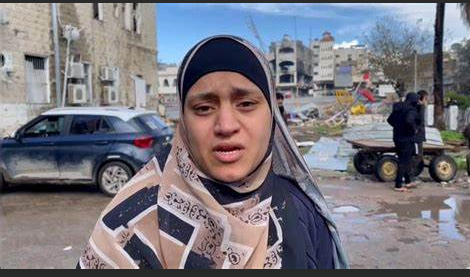
Wissam Hamadah’s anguish is an indictment on every US weapons manufacturer, every supporter of the US veto of every ceasefire resolution. The Palestine Red Crescent Society released a recording of the three-hour emergency call between Hind and PRCS dispatchers. Rana al-Faqeh kept Hind talking, trapped in a car with the bodies of her aunt, uncle, and four cousins.
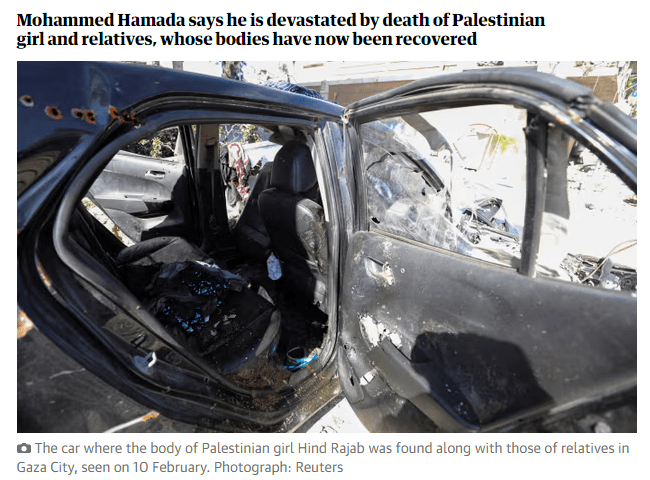
Hind told her she was afraid of the dark. “Come take me. You will come and take me?” Many of us heard the recording of five-year-old begging the PRCS operator to come rescue her. We lost sleep praying desperately for the rescue of this child, her voice replaying in our heads, unable to handle the thought of her mother’s anguish as her baby remained in the sites of an IDF tank, trapped with slain relatives in the black Kia in which they had attempted to escape south from Gaza City.
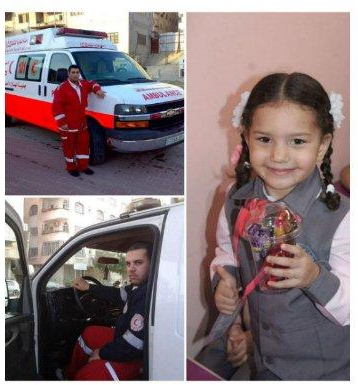
The Red Crescent felt helpless as they waited for three hours for their ambulance to be given permission to access the location. “We contacted the ministry of health and they coordinated our safe access with the Israeli authorities. We were given the green light to move the ambulance.”
But she said the ambulance came under fire soon after it arrived at the location. “First [the paramedics] said the Israeli forces are putting laser lights on them … And then we heard a gunfire sound before we lost the connection.”
Their names are Yusuf al-Zeino and Ahmed al-Madhoun, and their courage took them within meters of the car that held Hind before Israel bombed their ambulance.
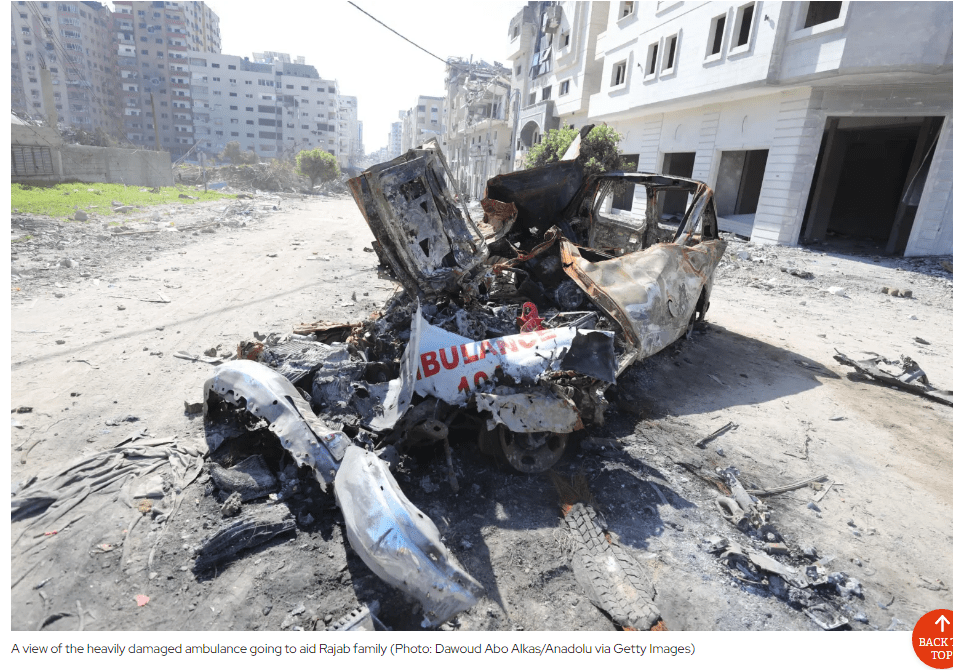
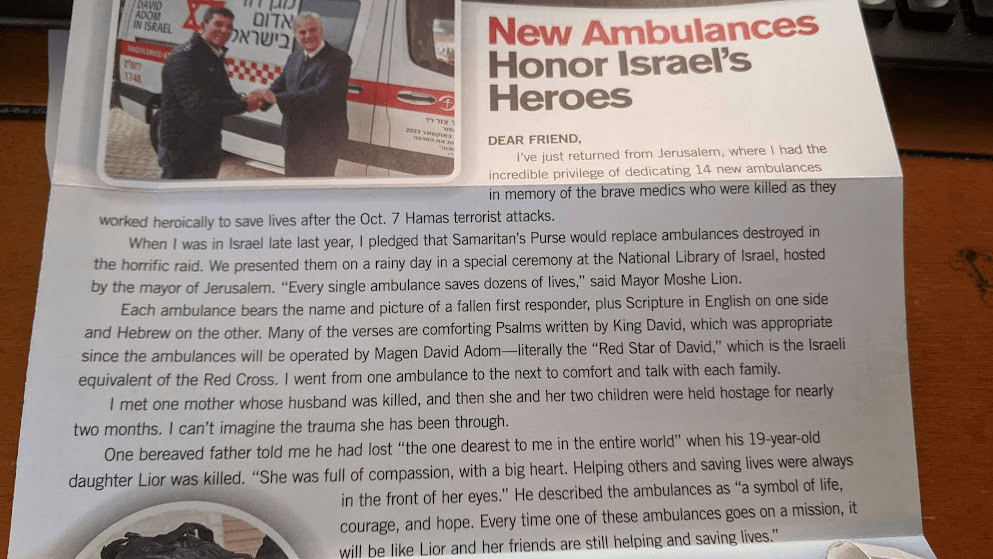
I don’t know how to write about the state of my heart as I saw this fundraising letter from Franklin Graham on the very same day I saw these charred remains of the PRCS ambulance sent to rescue Hind Rajab. (My household was somehow still on the mailing list for Samaritan’s Purse, a carryover from our previous church’s involvement years ago.)
Skimming Graham’s brief report about how his organization raised the money to replace nine of Israel’s ambulances damaged on October 7th, according to Israel’s national emergency service, the convergence of these two stories tells one of its own: A story of invisibility.

What would it take for Graham’s evangelical Christian audience to know about the 55 Palestinian Red Crescent ambulances damaged by Israel’s targeted military aggression? What would it take for them to read of the Palestinian medics killed in the line of duty? Would they permit themselves to care? Do Graham’s readers know that Israel’s military assault on Gaza has killed 29,000 people, including 198 Palestinian medical staff, 12 members of the Palestinian Civil Defense and 103 UNRWA staff? Do they know about the 20 hospitals and 52 healthcare centers Israel’s 140-day assault has put out of service? That a Palestinian child is killed every 10 minutes? Have they heard the name Hind Rajab?
The social imaginary that forms Franklin Graham and his sphere of evangelicals allows them to sympathize selectively, offering grave concern for those their social location (i.e. the narrative they swim in) permits them to see. They do not allow themselves to learn about the targeted killings of healthcare workers. Or children. They do not know, because their curated information ecosystems will not expose them to the PRCS ambulance bombed or the paramedics killed as they went out to rescue Hind.
Twelve days after the line went silent, responders were able to reach Hind Rajab’s body, still lying in the car from which she’d made a desperate plea for help while trapped under Israeli fire.
“They killed her twice,” Hamadah said. “And killed the paramedics that were trying to save her.” For days, Wissam Hamadah, Hind Rajab’s mother had held on to hope that her five-year-old daughter was still alive — but on Saturday, she was clinging to all she had left of her child: A notebook, a pencil and a paper crown.” –NBC news, February 11, 2024
 Step closer.